
Sandy, UT sits at the base of the Wasatch Mountains. Winter storms roll in fast. Snowfall stacks up in Alta Canyon and Willow Creek. Cold air settles over Salt Lake County during inversion season. Heating systems run hard for months at a time. That reality shapes when furnace maintenance in Sandy UT should happen.
Western Heating, Air & Plumbing has worked in this climate since 1995. As a family-owned and operated company, the team has seen what delayed maintenance does to gas furnaces, electric furnaces, and high-efficiency modulating furnaces. The pattern is clear. Homes that schedule annual heating tune-ups before peak winter demand avoid emergency calls when temperatures drop below zero.

Furnace maintenance is not random. It should follow the seasonal load placed on the system. In Sandy zip codes 84070, 84092, 84093, and 84094, heating demand often begins in October and can stretch into April. A furnace that has not been cleaned and calibrated before that stretch will run longer cycles and burn more fuel.
Altitude also plays a role. Sandy's elevation affects combustion efficiency. Gas valves and burner assemblies require proper calibration to handle thinner air. Western Heating, Air & Plumbing performs altitude-specific furnace tuning to adjust air-to-fuel ratios and inspect draft inducer performance. That work reduces soot buildup and prevents inefficient fuel consumption.
The best window for furnace maintenance in Sandy UT is late summer through early fall. September and early October allow technicians to inspect and clean components before heavy demand begins. Homes near Dimple Dell Regional Park and Historic Sandy often experience sharp overnight temperature drops. A system should be ready before that shift.
Some homeowners wait until the first cold snap. That delay increases risk. Once systems across Willow Creek, Pepperwood, and Crescent start running full time, appointment slots tighten. Scheduling early ensures a 30-point safety inspection without urgency.
Did you know that Sandy’s elevation (averaging 4,450 feet) means there is roughly 15% less oxygen available for your furnace compared to sea-level homes? In this "thin air," a furnace that isn't professionally calibrated will naturally run "fuel-rich," leading to incomplete combustion. This results in rapid soot buildup on the burner assembly and heat exchanger, which can decrease your system's efficiency by up to 10% in a single season and significantly increase the risk of a cracked heat exchanger.
Did you know that Sandy’s geographic position at the base of the Wasatch Mountains makes your furnace work harder during "Inversion Season"? When the valley traps cold, stagnant air, it also traps high concentrations of PM2.5 particulates. These fine dust particles bypass standard cheap filters and settle on the blower motor and flame sensor. A dirty flame sensor is the #1 cause of "no-heat" calls in Sandy because it prevents the gas valve from staying open, causing the system to lock out precisely when the outside temperature is at its lowest.
Did you know that the extreme temperature swings in Sandy—where it can drop 40 degrees in a single evening—put your heat exchanger under more physical stress than in milder climates? The metal in your furnace expands when heating and contracts when cooling. In Utah's climate, these "cycles" are more frequent and intense. Without an annual heating tune-up to ensure proper airflow, the metal can become brittle and develop hairline fractures. These cracks are invisible to the naked eye but can leak carbon monoxide into your home's air supply, which is why a professional combustion analysis is a safety requirement for Sandy homeowners.
A proper HVAC inspection is detailed. Western Heating, Air & Plumbing includes furnace cleaning, heating system calibration, and a full safety inspection. NATE-certified technicians inspect the heat exchanger for cracks that could lead to carbon monoxide leaks. They test the limit switch and confirm the gas valve responds correctly under load.
Each precision tune-up includes focused work on critical components:
That process applies to Carrier, Trane, Lennox, Rheem, Goodman, and York systems. It also covers high-end equipment such as Trane TruComfort, Carrier Infinity, and Lennox Signature Collection furnaces. Factory-approved procedures protect manufacturer warranties.
Homeowners in Silver Sage and White City often call after noticing short cycling. The furnace starts and stops repeatedly. That symptom usually traces back to a clogged air filter, a dirty flame sensor, or a faulty limit switch. Ignoring it strains the blower motor and increases wear.
Other signs include unusual rattling noises, a pilot light discoloration from blue to yellow, or a sudden spike in utility bills. Soot around the burner assembly or corrosion on the thermocouple suggests combustion imbalance. These problems rarely appear overnight. They build slowly during seasons without inspection.
Carbon monoxide safety deserves special attention. A cracked heat exchanger can leak dangerous gases into the home. Annual heating tune-ups include combustion testing and inspection of heat exchanger surfaces. In neighborhoods near Alta View Hospital and America First Field, many homes rely on aging gas furnaces. Regular inspection protects families during peak winter use.
Inversion layers trap pollutants in Salt Lake County. Dust and particulates enter homes and settle inside HVAC systems. Dirty burners and clogged air filters reduce airflow. That forces longer run times and inefficient fuel consumption.
Heavy snowfall increases humidity inside homes when doors open and close. Moisture can affect igniters and flame sensors. Western Heating, Air & Plumbing cleans these components during annual maintenance to prevent winter ignition failures.
Homes near the Shops at South Town and Mountain America Expo Center often have larger square footage and higher heating loads. High-efficiency modulating furnaces and hybrid heat pumps in these properties require specialized inspection. Variable-speed blower motors must be checked for smooth operation and balanced airflow.
Some homeowners assume maintenance can wait until a problem appears. That approach costs more in the long term. A routine furnace maintenance in Sandy UT appointment typically identifies small issues such as loose electrical connections or worn igniters. Addressing these items during a tune-up costs far less than replacing a cracked heat exchanger in January.
Western Heating, Air & Plumbing sees a clear pattern. Systems that skip annual heating tune-ups show higher rates of short cycling, blower motor failure, and gas valve malfunction. The strain compounds over time.
The Western Savings Club offers a structured furnace maintenance plan. Members receive automated annual reminders, priority scheduling in Sandy, and repair discounts. For homeowners in 84092 and 84070, that plan removes guesswork about timing.
Regular maintenance creates a record of system condition. Technicians track wear on the igniter, monitor draft inducer performance, and note changes in combustion readings. That history helps predict replacement timing for gas furnaces, electric furnaces, and propane furnaces.
Western Heating, Air & Plumbing provides furnace maintenance throughout Historic Sandy, Crescent, Willow Creek, Pepperwood, Alta Canyon, and Silver Sage. Technicians are frequently dispatched near America First Field and Alta View Hospital. The company also serves neighboring areas including Draper, Midvale, Cottonwood Heights, South Jordan, and Riverton.
Local experience matters. Homes in older sections of 84094 often contain original furnace installations that require closer inspection of the heat exchanger and burner assembly. Newer builds in Pepperwood may feature high-efficiency modulating furnaces that demand detailed calibration.
Maintenance cannot fix structural damage. If inspection reveals a cracked heat exchanger or severe corrosion in the burner assembly, replacement may be required. Western Heating, Air & Plumbing provides guidance on upgrading to energy-efficient systems from Carrier, Trane, Lennox, or Rheem.
Technicians evaluate fuel type, square footage, and insulation levels. In Sandy's cold climate, a properly sized high-efficiency gas furnace often delivers stable heat with lower fuel consumption. Hybrid heat pumps may suit certain properties in 84093 and 84091 where electric rates and home design align.
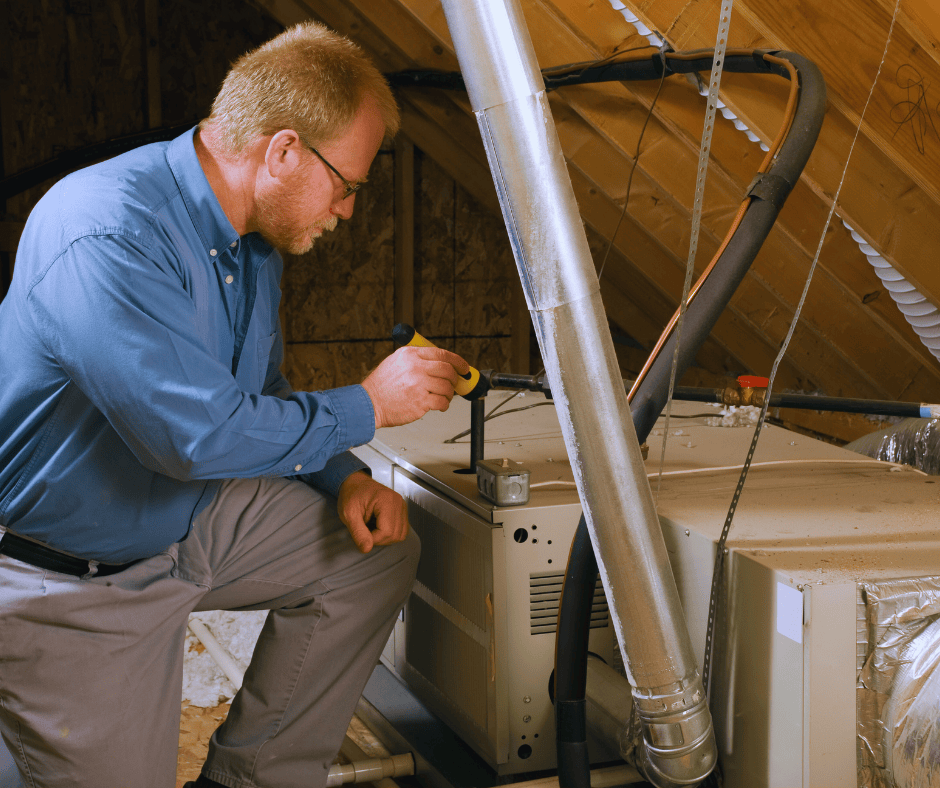
Homeowners should align furnace maintenance with seasonal demand. The following timing framework works well in Sandy:
Following this pattern reduces emergency calls during snowstorms. It also keeps systems prepared for Utah's long heating season.
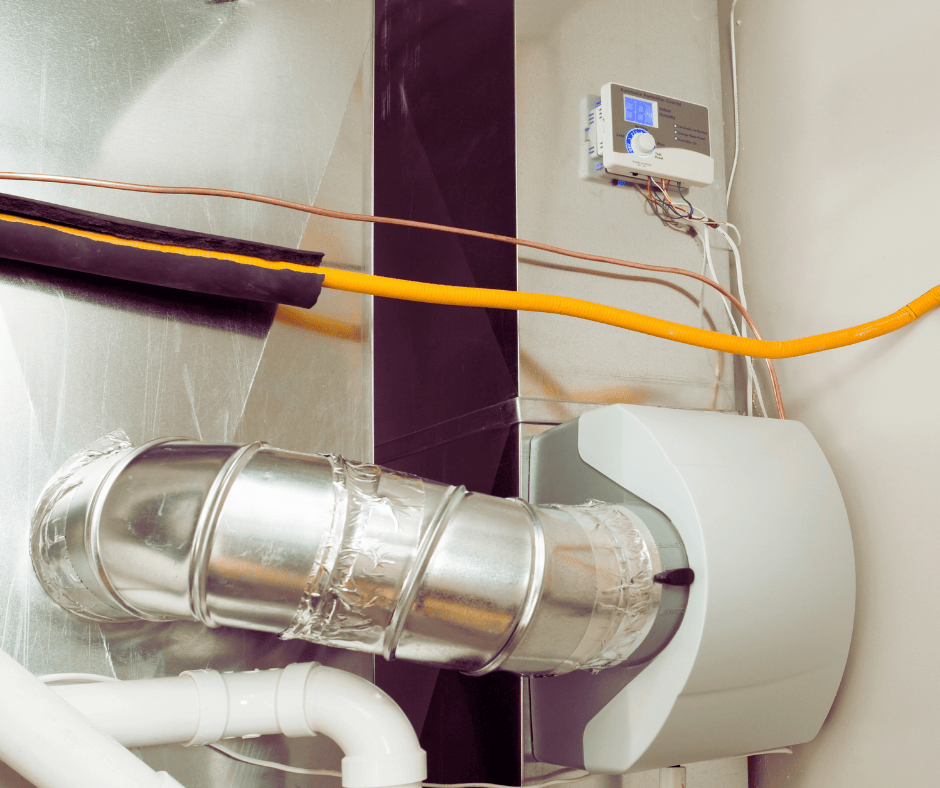
Western Heating, Air & Plumbing technicians are licensed and insured Utah contractors. Each NATE-certified technician completes a detailed safety inspection on every furnace maintenance Sandy UT appointment. That inspection includes combustion analysis, inspection of the thermocouple, verification of limit switch operation, and testing of airflow across the heat exchanger.
The company holds an A+ rating with the Better Business Bureau. That credibility reflects consistent performance across Salt Lake County. From Willow Creek golf course estates to family homes near the Shops at South Town, the approach remains consistent and methodical.
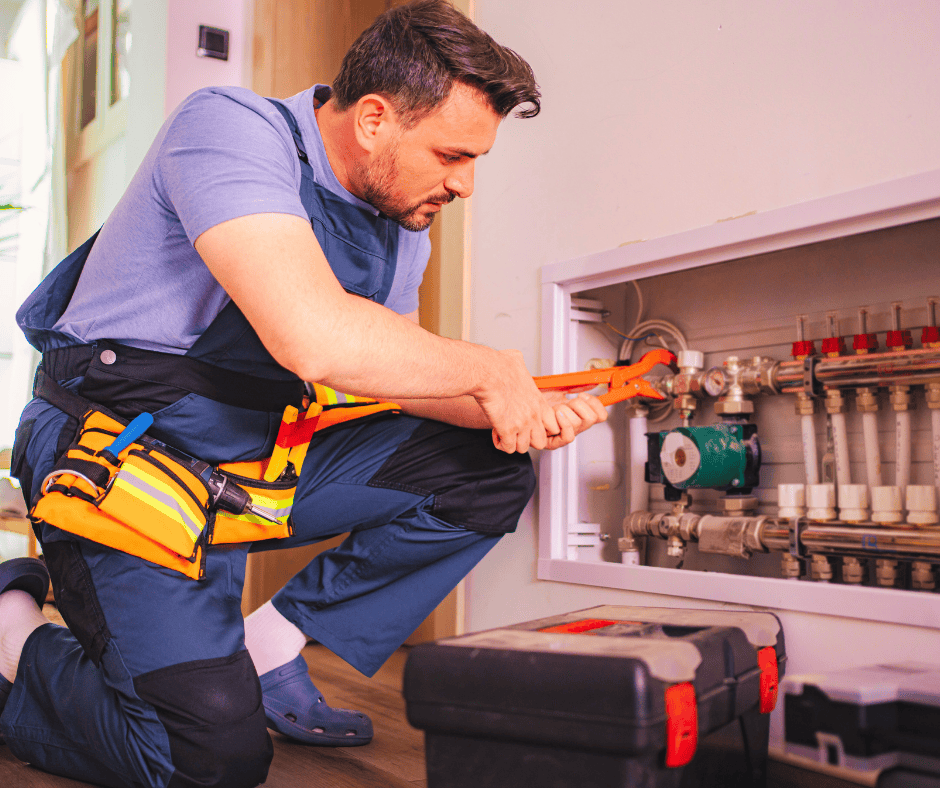
Winter in Sandy arrives quickly. Once snow covers Dimple Dell Regional Park, furnaces operate daily. Delaying maintenance increases the chance of ignition failure, short cycling, or carbon monoxide risk at the worst possible time. A scheduled annual heating tune-up provides clarity about system condition. When unexpected issues surface, Western Heating, Air & Plumbing also provides responsive heating repair services in Sandy to address faulty igniters, cracked heat exchangers, malfunctioning gas valves, and blower motor failures before they escalate into full system breakdowns.
Western Heating, Air & Plumbing has served Sandy families since 1995. The company understands altitude, air quality, and seasonal stress unique to the Wasatch Bench. Furnace maintenance in Sandy UT is not optional in this climate. It is a practical step that protects comfort, safety, and long-term equipment performance.
Scheduling before peak demand secures a professional inspection without pressure. Homeowners who value consistent heat during Utah's coldest nights benefit from early action. Western Heating, Air & Plumbing stands ready to perform precise, locally informed furnace maintenance across Sandy and Salt Lake County.
Redirect to:
|
This page is a redirect. The following categories are used to track and monitor this redirect:
|