July in Surprise, Arizona, presents a brutal environment for residential and commercial cooling systems. As temperatures regularly climb past 110°F, the mechanical stress on an air conditioner reaches its absolute limit. Many homeowners in Sun City Grand or Marley Park find themselves facing a sudden system blackout during the hottest part of the afternoon. While most people assume a breakdown is just bad luck, the reality involves specific desert engineering challenges and environmental factors unique to Maricopa County. Understanding why these failures happen helps residents prepare their HVAC systems for the relentless Sonoran Desert sun.
The heat in the West Valley acts as a catalyst for chemical and electrical degradation within a cooling unit. When the outdoor ambient temperature hits 115°F, the internal pressure within the refrigerant lines skyrockets. This puts an immense load on the compressor, which is the heart of the system. If the unit is an older model not yet upgraded to modern SEER2 standards, it may lack the thermal protection necessary to survive these peak cycles. Grand Canyon Home Services frequently sees systems that were functioning perfectly in May suddenly seize up in July because the oil in the compressor begins to break down under extreme heat. This lubrication failure leads to mechanical friction that eventually destroys the motor windings.
One of the most common technical failures involves the capacitor. These small, cylindrical components store electricity and provide the high-voltage kick needed to start the compressor and fan motors. Heat is the natural enemy of capacitors. In a Surprise summer, the internal temperature of a condenser cabinet can exceed 140°F. This heat causes the electrolyte fluid inside the capacitor to expand and leak, leading to a bulged or blown component. Without a functional capacitor, the AC unit will hum but fail to start, often leading to a secondary failure of the motor if the power is not cut immediately. Installing hard start kits is a common strategy used to alleviate this stress by reducing the duration of high electrical draw during startup.
Most standard AC capacitors are rated for a maximum ambient temperature of 122°F (50°C). In Surprise, AZ, the internal temperature of a sun-drenched metal condenser cabinet frequently exceeds this limit in July, causing the internal electrolyte to boil and the component to fail at a rate 3x higher than in non-desert climates.
As of 2026, the Department of Energy’s SEER2 standards require a higher external static pressure for testing. For older homes in Surprise neighborhoods like Sun City Grand, simply "swapping the box" without modifying undersized ductwork can lead to a 15% decrease in efficiency, as the new high-pressure fans work harder to push air through restrictive, aging vents.
A single Arizona "haboob" (dust storm) can deposit a fine layer of silt on condenser coils that acts as a thermal insulator. This layer can increase the system’s head pressure by 20 to 40 PSI, forcing the compressor to draw significantly more amperage and often leading to a "thermal trip" where the system shuts down to prevent a total motor meltdown.
Dust is another silent killer in the North Surprise and Greer Ranch areas. Seasonal monsoon storms, or haboobs, carry fine desert silt that bypasses standard filters. This dust coats the evaporator coils inside the air handler. When dust mixes with the natural condensation on the coils, it creates a mud-like barrier. This layer insulates the coils, preventing them from absorbing heat from the indoor air. Consequently, the refrigerant stays too cold, causing the moisture on the coils to flash into ice. A frozen evaporator coil is a major emergency because it can lead to liquid refrigerant slugging back into the compressor, which causes instant and irreversible mechanical destruction.
The electrical grid in the West Valley also plays a role in July failures. During extreme heatwaves, the demand for power across Surprise Farms and Northwest Ranch is at an all-time high. This massive load can cause brownouts or subtle power surges. HVAC components like contactor relays and sensitive control boards are vulnerable to these fluctuations. A contactor relay that is pitted or worn from years of service might weld shut during a surge, causing the outdoor unit to run non-stop until the compressor burns out. Modern smart thermostats can sometimes detect these issues, but often the homeowner only realizes there is a problem when the indoor temperature begins to rise despite the system running.

Refrigerant leaks are a persistent issue that often stays hidden until the July heat reveals them. During cooler months, a system with a small leak might still manage to keep the home comfortable. However, once the outdoor temperature crosses the triple-digit mark, the system loses its efficiency margin. Low refrigerant levels cause the compressor to run much hotter than intended because the refrigerant itself acts as a coolant for the motor. In Arizona Traditions, many older units using R-22 refrigerant are reaching the end of their functional life. Because R-22 is phased out and expensive, a leak in July often forces a difficult decision between a costly temporary fix and a full HVAC installation of a new, high-efficiency heat pump or traditional split system.
The expansion valve, or TXV, is a precision component that regulates the flow of refrigerant into the evaporator coil. In the extreme heat of Maricopa County, these valves must work perfectly to maintain the correct superheat and subcooling levels. If a TXV becomes restricted due to debris or internal acid buildup in the lines, the system will fail to provide adequate cooling. This often results in the AC blowing warm air, a common complaint during the Loop 303 corridor's mid-summer peaks. Technicians must use digital manifolds to diagnose these complex pressure issues, ensuring the system operates within the manufacturer's tight specifications for brands like Trane, Carrier, and Lennox.
Home design in master-planned communities like Marley Park also impacts HVAC longevity. Many homes feature large windows and high ceilings that create a massive heat load. If the ductwork is undersized or leaking in a hot attic, the air conditioner has to work twice as hard to reach the setpoint on the thermostat. This constant operation prevents the system from having off cycles, which are necessary for the components to cool down. Over time, this leads to premature fan motor failure or blower motor burnouts. Ensuring proper duct sealing and attic insulation is just as important as the mechanical health of the AC unit itself when trying to survive a Surprise summer.
thermostat can help manage these cycles and provide better data on system performance during peak heat periods.
Many Surprise residents are now looking at the financial benefits of upgrading to SEER2-compliant systems before their old units fail. The 2026 incentives, such as Efficiency Arizona rebates and federal tax credits under Section 25C, provide a significant buffer against the cost of a new HVAC installation. High-efficiency heat pumps are particularly popular because they provide both cooling and heating, which is ideal for the temperature swings in the desert. Some residents qualify for up to $14,000 in rebates, making the transition to a modern, reliable system much more attainable. These systems are designed specifically to handle the electrical and thermal loads found in the West Valley.

Thermostat glitches are frequently misdiagnosed as mechanical failures. In high-heat scenarios, a thermostat that is poorly calibrated or positioned near a heat source will provide inaccurate readings to the control board. This causes short-cycling, where the system turns on and off too rapidly. Short-cycling is incredibly damaging because the highest amount of wear and tear occurs during the first sixty seconds of a cooling cycle. For residents in Greer Ranch or Surprise Farms, upgrading to a professionally installed smart
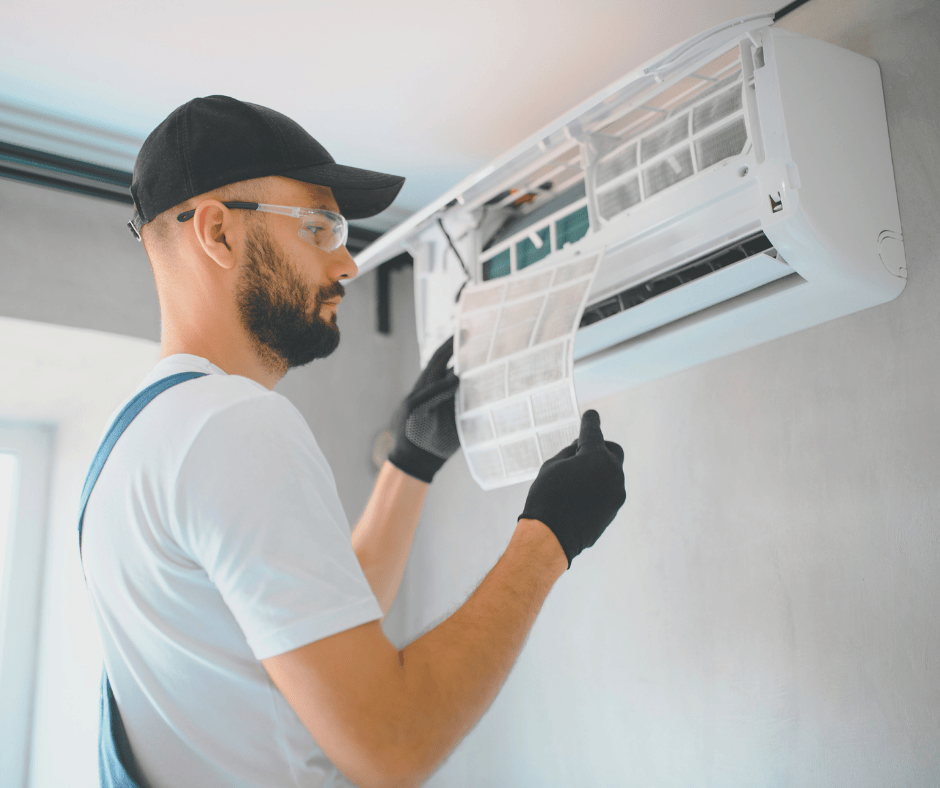
Maintenance is the primary factor that separates a system that survives July from one that fails. A precision tune-up involves more than just changing a filter. It includes cleaning the condenser coils to ensure maximum heat rejection, checking the capacitance of start and run capacitors, and inspecting contactor points for signs of electrical arcing. For homeowners in age-restricted communities like Sun City Grand or Arizona Traditions, a biannual maintenance plan is the best insurance against a 2:00 AM cooling emergency. These plans ensure that small issues, like a slightly low refrigerant charge or a fraying fan belt, are caught in the spring before they become catastrophic failures in July.
| Component | Common Failure Reason | July Risk Level |
|---|---|---|
| Capacitor | High ambient heat causes fluid leaks | Critical |
| Compressor | Oil breakdown and mechanical friction | High |
| Condenser Coil | Dust and debris from monsoon storms | Moderate |
| Contactor | Electrical arcing and pitting | Moderate |
When an AC system does fail, the speed of the response is vital. Living in a home that is 95°F inside is not just uncomfortable; it is a health risk, especially for seniors and young children. Grand Canyon Home Services maintains a 24/7 emergency dispatch team strategically located near Bell Road and the Loop 303 corridor. This allows for rapid arrival in neighborhoods like Surprise Farms and Marley Park. Having a locally based team means the technicians are familiar with the specific construction styles and common HVAC configurations found in these developments, leading to faster diagnostics and repairs.
The transition to newer refrigerants and higher efficiency standards has changed the landscape of AC services in Surprise, AZ. NATE-certified technicians now must handle complex electronic expansion valves and variable-speed inverter compressors. These parts offer incredible energy savings but require precise calibration that older analog systems did not. For example, a variable-speed air handler can adjust its airflow to maintain a constant humidity level, which is a major comfort boost during the humid monsoon weeks in August. However, if the control sensors are coated in dust, the entire logic of the system can fail, leading to a service call.
Commercial HVAC needs in Surprise also spike in July. Retail centers along Grand Ave and offices near the Surprise City Hall depend on large-scale rooftop units (RTUs). These units face even higher heat stress because they are often located on reflective white roofs or black asphalt surfaces. A failure in a commercial setting can lead to lost inventory or forced business closures. Specialized commercial maintenance plans focus on belt tensions, economizer operation, and heavy-duty filtration to keep these larger systems running through the peak cooling season without interruption.

Ductless mini-split systems are becoming a popular addition for Surprise homeowners who have converted garages or casitas in communities like Greer Ranch. These systems provide targeted cooling without the need for extensive ductwork. They are highly efficient but require their own specific maintenance, particularly regarding the condensate drain lines. In the desert, these lines can become clogged with biological growth or dust, leading to water leaks inside the home. Regular flushing of these lines is a standard part of a professional HVAC service visit.
Homeowners often ask about the trade-offs between repairing an old unit and investing in a replacement. If a system is over ten years old and requires a major repair like a compressor or an evaporator coil, the math usually favors replacement. The reliability of a new Trane or Lennox system, backed by a manufacturer warranty and the latest SEER2 efficiency, provides long-term savings that a patched-up old unit cannot match. Furthermore, the availability of flexible financing and utility rebates from APS or SRP can reduce the upfront burden, allowing residents to prioritize their home's safety and comfort.
If the air conditioner is currently blowing warm air, making unusual grinding noises, or the outdoor fan is not spinning, immediate action is required. Delaying a repair during an Arizona July often leads to more expensive damage as other components overwork to compensate for a failing part. Turning the system off at the thermostat and calling for a professional diagnostic is the best way to prevent a total system meltdown. Technicians can often perform a hard start or replace a failed capacitor on the spot to get the cooling back online quickly.
Grand Canyon Home Services stands as a definitive local authority for Surprise, AZ, providing 24/7 emergency HVAC care. The team is fully licensed by the Arizona Registrar of Contractors and holds BBB accreditation, reflecting a commitment to high-quality service and transparent pricing. Serving the entire West Valley, including zip codes 85374, 85378, 85379, 85387, and 85388, the company prioritizes rapid response times and technical precision. Whether a home needs a simple refrigerant leak repair or a full high-efficiency system installation, the goal is always to provide a reliable cooling oasis for every client.
To ensure a home remains cool through the remainder of the summer, consider these immediate steps:
Do not let a July heatwave turn into a household crisis. Grand Canyon Home Services offers same-day dispatch and expert diagnostics across all Surprise neighborhoods, from Sun City Grand to Marley Park. The NATE-certified technicians are ready to handle everything from emergency capacitor replacements to complex SEER2 heat pump installations. Take advantage of current Efficiency Arizona rebates and flat-rate pricing for a stress-free experience. Contact Grand Canyon Home Services today at +1 623-444-6988 to book a precision tune-up or an emergency repair and keep your Surprise home comfortable all year long.

Redirect to:
|
This page is a redirect. The following categories are used to track and monitor this redirect:
|